



Linda's Old-Fashioned School Cafeteria Bread Rolls
Ingredients
- 4 3/4 cups all purpose white flour
- 1/3 cup shortening
- 1/3 cup powdered milk
- 1/3 cup sugar
- 2 tsp salt
- 1 3/4 cup water (room temperature, 68-75°F / 20-24°C)
- 2 tbsp yeast (Rapid Rise or instant)
Step-by-Step Instructions
- In a heavy duty mixer with a dough hook, add together the room temperature water, shortening and all the dry ingredients except the yeast. Begin mixing; when the mixture incorporates most of the water, add the dry yeast. Beat at a medium speed for 10 minutes. Dough should be in a ball and the mixing bowl will be clean.
- Set in a lightly greased bowl in a warm place to rise (about 40 minutes).
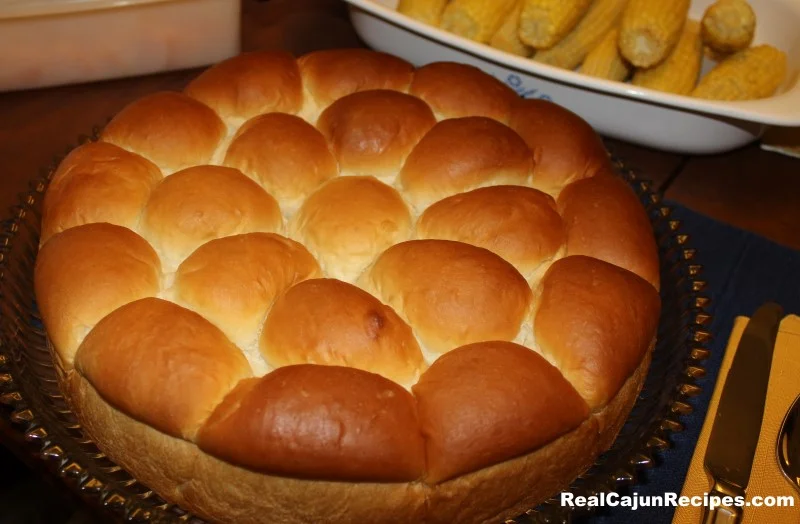
- When the dough size has doubled, punch down and pinch into 1 1/2-ounce rolls (about 45 g, roughly golf ball-sized). Using either Crisco spray or Crisco shortening, grease a 14 inch round bread pan and place rolls in pan just barely touching.
- Allow the rolls to rise in a warm place until doubled in size, about 30-40 minutes. When the bread has risen a second time, bake 23 to 28 minutes at 350 degrees. Pat butter on rolls when still warm.
Common Problems and Solutions
Q: Why isn't my dough forming a ball in the mixer?
A: Make sure your water is at room temperature, not cold. Cold water will prevent the dough from coming together properly. Also, don't add the yeast too early—wait until the other ingredients have mostly incorporated.
Q: My rolls turned out dense instead of fluffy. What happened?
A: The most common cause is not allowing enough rise time. The dough should fully double in size during both the first and second rise. A warm place (around 75-80°F) is essential—if your kitchen is cold, try placing the bowl near a warm oven or in a slightly warmed oven that's been turned off.
Q: Can I make these without a stand mixer?
A: It's very difficult. The 10-minute beating time is what develops the gluten structure for that light texture, and doing this by hand would be exhausting. A heavy-duty stand mixer with a dough hook is really essential for this recipe.
Tips and Techniques
For perfectly shaped rolls, use a kitchen scale to portion out exactly 1 1/2 ounces of dough per roll. This ensures even baking and that classic uniform look. The rolls should be placed close together in the pan so they rise up rather than out, creating those soft, pull-apart sides.
Ingredient Substitutions
- shortening: butter
- powdered milk: regular milk in place of water and powdered milk
- all purpose white flour: bread flour
Equipment Needed
- Heavy-duty stand mixer with dough hook
- 14-inch round bread pan
- Large mixing bowl for rising
- Kitchen scale (optional, for portioning rolls)
Historical Context
School cafeteria rolls have been a beloved part of Southern lunch culture for generations. These simple yeast rolls were designed to be made in large batches and served fresh daily, providing comfort food to thousands of Louisiana schoolchildren over the decades.

